Discover what are unforced rhythms of grace. In this featured article explore what it means to be living in grace, flow states and grace, spiritual rhythm and how to live in the unhurried beats of grace. Enjoy.

Discover what are unforced rhythms of grace. In this featured article explore what it means to be living in grace, flow states and grace, spiritual rhythm and how to live in the unhurried beats of grace. Enjoy.
Table of Contents
- Introduction
- Unforced Rhythms Of Grace Theology
- Scientific Insights On Flow States and Grace
- Cultivating Unforced Rhythms Of Grace
- Overcoming Obstacles To The Spiritual Rhythm
- Integrating Effortless Flow Into Daily Life
- Recommended Action
- Conclusion
- FAQ
- Support Us
- Author Bio & Social
Introduction
True spiritual vitality comes not through frantic striving but by learning to move with the Unforced Rhythms Of Grace—that effortless flow cadence in which divine favor meets human participation. In a world fixated on hurry and hustle, we often mistake intensity for intimacy with God. Yet scripture invites us into a pace defined by rest, trust, and presence. In this elegant masterpiece, you’ll explore how the unhurried beats of grace aligns with both ancient wisdom and modern science, discover actionable practices to cultivate this organic rhythms of grace, and learn to overcome the barriers that keep your spirit out of sync. Whether you’re seeking more peace, creativity, or deeper connection, embracing these natural pulses of mercy will revolutionize how you live, work, and worship.
Unforced Rhythms Of Grace Theology
At the heart of Catholic spirituality is the invitation to “be still, and know that I am God” (Psalm 46:10). Rather than demanding performance, divine grace operates on an effortless flow—an unstrained cadence of favor that undergirds every act of faith. The Greek word for grace, charis, implies kindness and gift; it cannot be earned by human effort but is experienced in the unshakable trust we place on the divine.
- Biblical Models of Rhythm: Jesus regularly withdrew to solitary places for prayer (Luke 5:16), embodying the balance between ministry and rest.
- Liturgical Rhythms: The church calendar—Advent, Lent, Ordinary Time—teaches us that spiritual life has seasons: waiting, preparation, celebration, and stillness.
- The Role of Sabbath: One day in seven, believers cease labor to trust God’s provision and realign with His tempo.
When we fight against these patterns—pushing ourselves beyond need—we miss the very grace intended to sustain us. Instead, embracing unhurried communion invites transformation from the inside out.
Scientific Insights On Flow States And Grace
Modern psychology describes flow as a state of total immersion where challenges match skills, time seems to fade, and creativity soars. Neuroscientists link flow to optimal dopamine and endorphin release—chemicals that mirror the uplift of spiritual joy.
- Neurobiology of Rest: Research shows that regular rest cycles (ultradian rhythms) enhance cognitive performance and emotional regulation. Aligning work with 60-90 minute focus intervals, then pausing, mirrors God’s design for human flourishing.
- Stress and Grace: Chronic stress floods the body with cortisol, narrowing the window for insight and compassion. Grace, experienced as acceptance and belonging, lowers cortisol and activates oxytocin pathways associated with trust and social bonding.
- Mindfulness & Spirituality: Studies on mindfulness meditation reveal structural brain changes in regions tied to self-awareness and empathy. When coupled with prayer, these practices foster both psychological resilience and a deeper sense of God’s presence.
By appreciating these scientific findings, we see that the organic rhythms of grace aren’t just poetic—they align with our biology, inviting a whole-life integration of faith and well-being.
Cultivating Unforced Rhythms Of Grace
How do we move from theory to embodied experience? Here are five practices to sync your life with unforced grace:
- Scheduled Retreats: Block 60-90 minutes daily for solitude—no phone, no agenda. Use this time for prayer, journaling, or silent listening.
- Breath Prayer: In Greg Braden’s YouTube video lesson Ancient Prayer, he shares a powerful secret way of speaking the ancient name of God, Yahweh. When you pair prayer with God’s ancient name, you invite the divine to syncronize with your life. In order to execute this Breath Prayer properly, you combine prayer and breathing by simply pairing an inhale with “Yah,” and exhale with “Weh” as you surrender your prayer to God. This simple rhythm activates a powerful request for grace from God.
- Ultradian Breaks: Work in 90-minute focus sprints followed by 15-minute rest periods—stretch, walk, or gaze out a window. This mirrors God’s tempo for productivity and rest.
- Gratitude Rhythm: At each meal, pause to name three things you’re thankful for. This cultivates the unhurried beats of grace and invites awareness of God’s daily provision.
- Community Sabbath: Once a month, gather friends or family for an extended time of shared worship, laughter, and rest—modeling the communal beat of grace.
By weaving these practices into your schedule, you create habits that reinforce God’s natural flow, prevent burnout, and open doors to fresh revelation.
Overcoming Obstacles To The Spiritual Rhythm
Even with good intentions, common barriers can derail our pursuit of unforced rhythms:
- Performance Mentality: Believing God’s love depends on our output leads us to frantic striving. Counter this by memorizing verses on grace, such as Ephesians 2:8–9.
- Digital Overload: Constant notifications fragment attention and prevent deep rest. Establish phone-free zones, utilize device’s do-not-disturb function, and treat technology like a tool, not a tether.
- Guilt Around Rest: Some view rest as laziness. Reframe Sabbath as an act of worship—trusting God to sustain your work.
- Isolation: Grace often flows in community. Seek small groups or spiritual mentors who model balanced living.
- Unrealistic Expectations: Having high standards is good. Having goals that stretch us is even better. But be smart with your goals. The 808 Lion Lifestyle uses the S.M.A.R.T. goals framework: Specific, Measurable, Attainable, Realistic, Timeline when setting and executing on goals. This framework keeps our expectations realistic and us on point.
When you recognize and address these obstacles, you clear the path for the natural pulses of mercy that refresh your spirit and empower your mission.
Integrating Effortless Flow Into Daily Life
Long-term transformation happens when grace becomes your default operating system. Consider these integration strategies:
- Habit Stacking: Attach a grace practice to an existing habit—pause for prayer at your morning coffee, practice Breath Prayer while waiting in line.
- Visual Reminders: Utilize a trigger—a cross, a coaster with a quote, a coffee mug with a visual quote—on your desk to cue intentional flow states. You can also intentionally wear a quote on your shirt or decorate your space with an empowerment canvas to trigger performance flow states. Hop on over to our Performance Trigger Collection to go shopping for these visual reminders.
- Accountability Partner: Share your rhythm goals with a friend and check in weekly to celebrate victories and troubleshoot hurdles.
- Seasonal Reviews: Quarterly, reflect on how well you’ve maintained your spiritual rhythms. Adjust your practices as needed.
- Teach Others: Leading by example reinforces your own commitment and spreads the gift of grace.
Over time, these small investments accumulate, shifting your entire life into the effortless flow of grace, where work and devotion, rest and mission, coexist in harmony.
Recommended Action
Choose one new rhythm—whether a daily 15-minute retreat or an ultradian break—and schedule it into your calendar now. Treat it as non-negotiable.
Conclusion
Embracing the Unforced Rhythms Of Grace isn’t about adding another to-do to your list; it’s about realigning with the pace of the One who sustains heaven and earth. As you adopt these biblical, scientific, and practical insights, you’ll discover a deeper wellspring of creativity, perseverance, and joy. Let grace guide your steps, and watch how your life transforms one unhurried moment at a time.
FAQ
Q1: What if I miss my scheduled grace practice?
A1: Don’t beat yourself up. Grace itself covers our missteps. Simply recommit the next opportunity, and remember Philippians 1:6—that God who began a good work in you will bring it to completion.
Q2: How long before I notice real change?
A2: Consistent practice over 3–4 weeks often yields noticeable shifts in stress levels and clarity. But even your first intentional pause can spark fresh perspective.
Q3: Can these grace techniques work for all?
A3: Absolutely. When combined with prayerful intention, flow and mindfulness become vehicles of divine grace.
Q4: I struggle with guilt when resting—help!
A4: Reflect on Mark 6:31, where Jesus invites His disciples to rest. Rest is built into God’s grand design, not an optional extra.
Q5: How do I maintain momentum long-term?
A5: Seasonal reviews, accountability partners, and habit-stacking create the structures needed for sustainable rhythms.
Support Us
If this post encouraged you, please consider unlocking our FREE Lion Wisdom Daily subscription by clicking here. Empower others to discover God’s spiritual rhythm by purchasing our Rhythms Of Grace T-Shirt and sharing it to the world.
Author Bio & Social
Lion Mentor is the guiding voice of our Lion Wisdom Daily, blending ancient text, spiritual insight with practical life-hacks. Follow us on social media for daily doses of encouragement and wisdom: [Facebook] | [Instagram] | [X/Twitter] | [LinkedIn] | [TikTok]
Recommended Products

Rhythms Of Grace T-Shirt
$19.99

Rhythms Of Grace Canvas
$55.55

Rhythms Of Grace Mug
$24.95

Rhythms Of Grace Car Magnet
$7.77
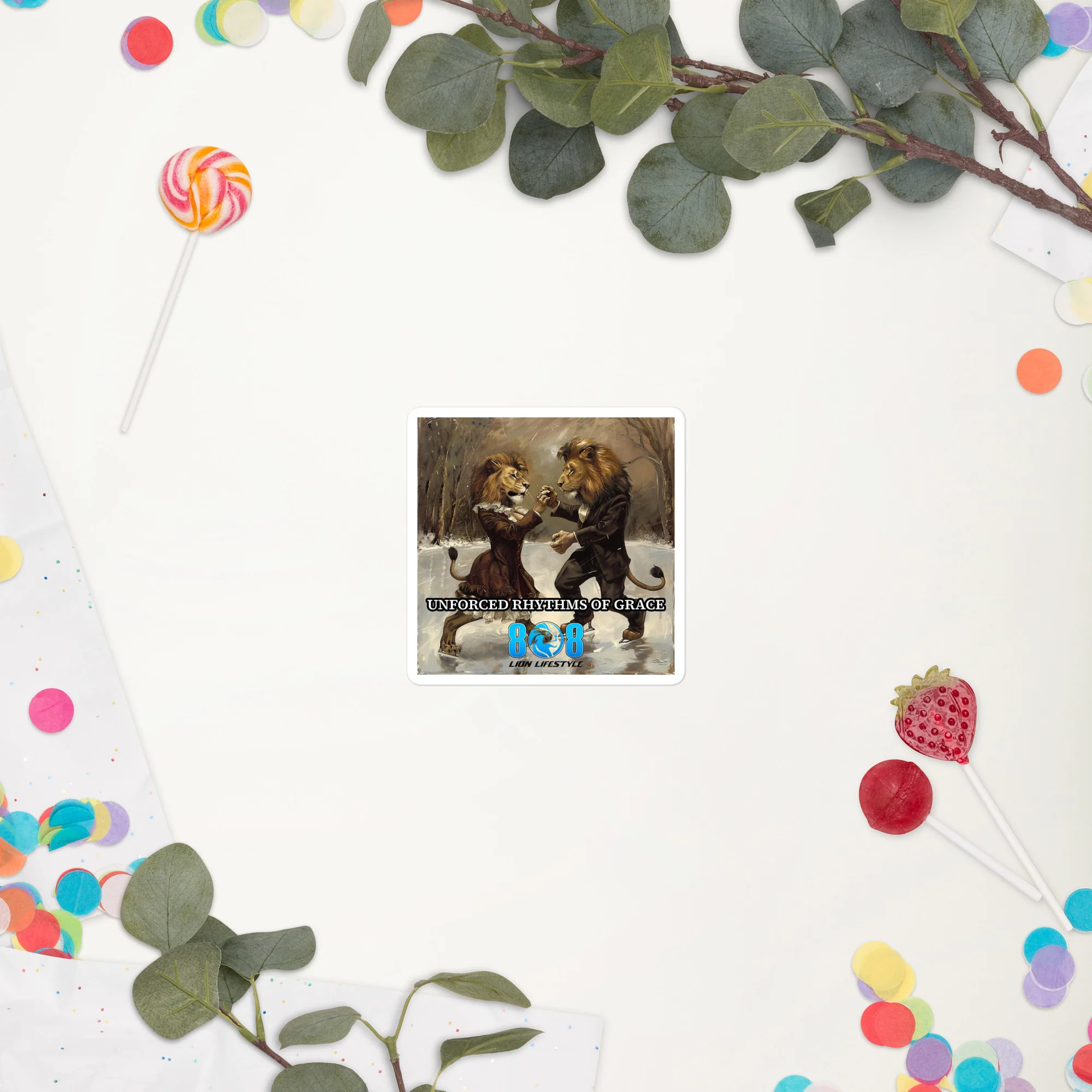
Rhythms Of Grace Sticker
$6.95