What Is Death?

Discover what is death. Become eternally empowered with Ecclesiastes mortality lesson and explore the powerful topics of destined to die, embracing mortality, and purpose within impermanence. Lets begin.
Table Of Contents
- Introduction
- Mortality: Destined To Die
- Ecclesiastes Mortality Lesson
- Impermanence: Eternal Perspective
- Purpose Within Impermanence
- Recommended Action
- Conclusion
- FAQ
- Support Us
- Author Bio & Social
Introduction
Life’s journey begins and ends in the same place: dust. The ancient sage of Ecclesiastes reminds us, “All go unto one place; all are of the dust, and all turn to dust again” (Eccl. 3:20). This verse penetrates through illusions of permanence and prestige, inviting us to confront our mortality with humility and wisdom. By acknowledging that every human story converges at the same endpoint, we can reorient our priorities—cultivating compassion, purpose, and spiritual depth. In this featured article, we’ll explore mortality, draw practical insights from Scripture, and learn how embracing our dust-to-dust cycle can transform the way we live today.
Mortality: Destined To Die
Mortality is the great equalizer: regardless of wealth, status, or power, every human life concludes in the same dust. From ancient kings interred in golden tombs to newborns cradled in humble arms, all share this common destiny. Scientific studies tell us that the human body is composed of elements forged in stellar furnaces—iron, carbon, and oxygen—only to return to earth through death and decay. This cycle underscores our intimate connection with the cosmos and each other. By internalizing the fact that we all are destined to die, we cultivate empathy: no one is immune to loss, aging, or finality. This perspective dissolves barriers—social, economic, or cultural—and invites solidarity in suffering and celebration. When we see others as fellow travelers on the dust-to-dust cycle, compassion becomes natural, and community flourishes.
Ecclesiastes Mortality Lesson
Ecclesiastes, often called the book of “Vanity,” repeatedly highlights life’s fleeting nature. Solomon’s poetic reflections—time to be born and time to die, a season for sowing and a season for reaping—remind us that impermanence is woven into creation’s fabric. Ecclesiastes 3:20 specifically roots mortality in dust imagery, evoking Genesis 2:7, where humanity is formed from the earth’s dust. This literary echo draws a sacred circle: from dust we came, to dust we return. Rather than breeding despair, this realization offers freedom. When we accept that joys and sorrows will pass, we learn to savor the present moment, invest in relationships, and align our pursuits with eternal values rather than transient pleasures. The wisdom of Ecclesiastes thus becomes a call to live fully and faithfully amidst life’s ebb and flow.
Impermanence: Eternal Perspective
Confronting dust-to-dust cycle naturally leads to questions of what is beyond life after death. Catholic hope centers on resurrection: though our bodies are dust, they are destined for renewal through Christ’s victory over death. This eternal perspective transforms how we navigate suffering, loss, and ambition. Temporary setbacks lose sting when seen against the panorama of eternity. Lives marked by generosity, mercy, and faith are investments in life’s finitude. Moreover, the awareness of mortality sharpens our stewardship: time becomes our most precious resource. Every decision—career path, relationships, spiritual disciplines—gains weight when measured by its eternal impact. Living with an eternal lens also fosters gratitude: each day is a gift, a chance to reflect divine love and purpose amid our dust-born existence.
Purpose Within Impermanence
If dust is our origin and end, purpose emerges in between. Scripture presents to us to live wisely: Ecclesiastes 12:1—“Remember also your Creator in the days of your youth.” Purpose-driven living recognizes that our days are finite, urging us to invest in what endures: faith, love, and service. Practically, this might mean mentoring the next generation, advocating for justice, or stewarding creation’s resources faithfully. Each act of kindness, creativity, or worship writes meaning into the dust, echoing through eternity. Modern psychology affirms that individuals who embrace life’s impermanence often report greater wellbeing, perseverance, and life satisfaction. By framing our existence as a sacred assignment rather than random chance, we align personal fulfillment with transcendent purpose, turning the dust-to-dust cycle into a journey of profound significance.
Recommended Action
Today, reflect on your life’s mortality by setting aside 15 minutes for journaling: list the people and purposes that matter most and identify one tangible step to honor them this week.
Conclusion
Now, you have a better understanding of what is death. Ecclesiastes reminder that all return to dust challenges us to live with clarity, compassion, and eternal focus. Mortality binds us together, while the hope beyond dust inspires purposeful living. In embracing mortality, may you find freedom from empty pursuits and discover deeper connections—with God, others, and creation. Let each day be an invitation to infuse your earthly dust with love, wisdom, and faith that outlasts the grave.
FAQ
What does “dust” symbolize in Ecclesiastes?
“Dust” refers to both our physical origin and mortality, highlighting life’s transient and humble nature.
How can recognizing mortality improve my life?
Awareness of finitude encourages prioritization of meaningful relationships, values, and spiritual growth over fleeting desires.
Does this teaching lead to pessimism?
If embraced with hope, it fosters gratitude and purpose rather than despair, especially when coupled with belief in resurrection.
How do I apply this lesson daily?
Practice gratitude for each moment, serve others selflessly, and reflect on how your choices align with eternal values.
What is the Catholic hope beyond dust?
Believers trust in bodily resurrection through Christ, transforming the dust-to-dust cycle into a pathway to eternal life.
Support Us
If this reflection has brought you value, then support us by purchasing our Dust To Dust T-Shirt and share it with friends & family. Your support helps us spread timeless wisdom, transform lives, and better our world one lesson at a time.
Author Bio & Social
Lion Mentor illuminates scriptural truths with clarity and compassion, guiding readers to live purposefully amid life’s seasons. Follow us on social: [Facebook] | [Instagram] | [X/Twitter] | [LinkedIn] | [TikTok]
Recommended Products
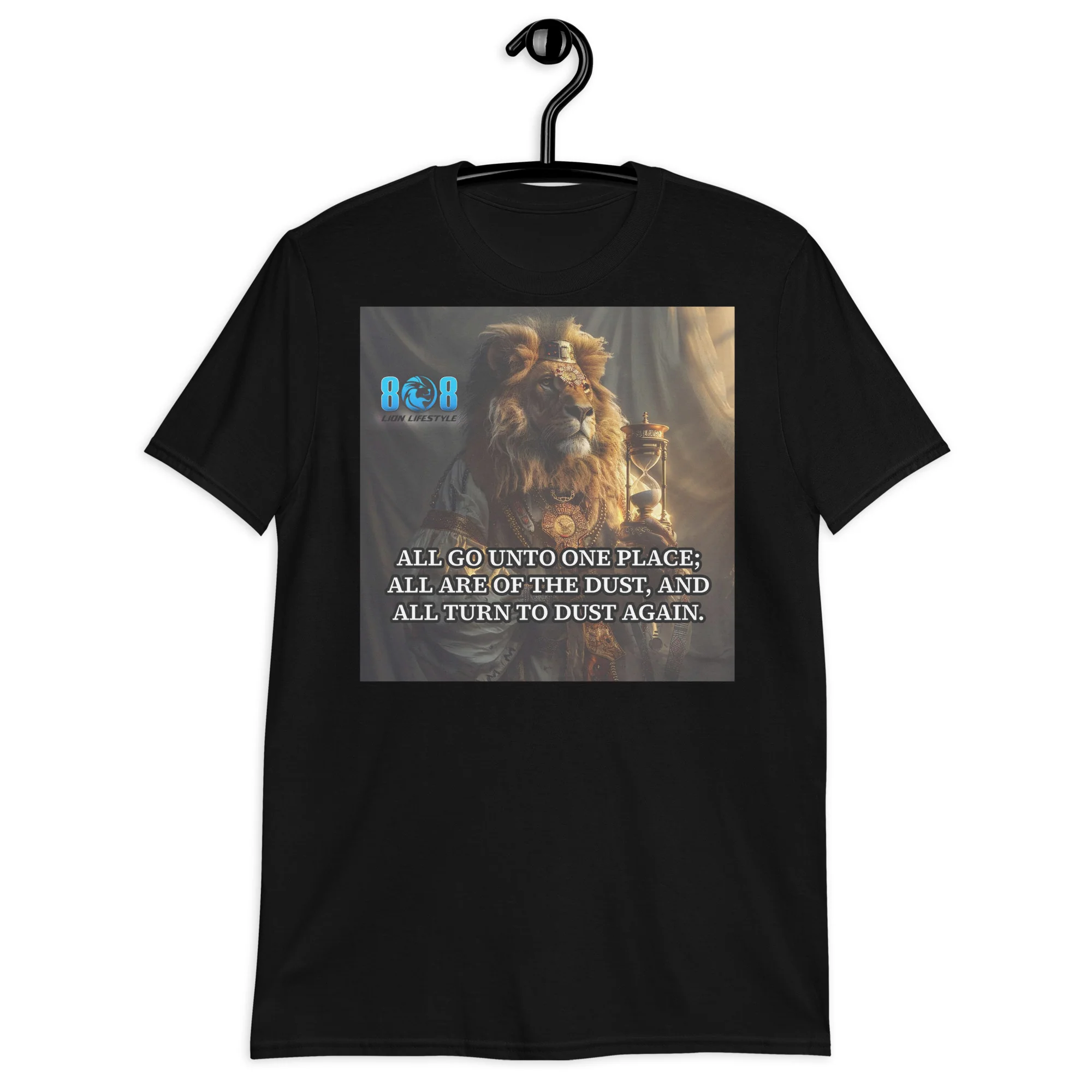
Dust To Dust T-Shirt
$19.99
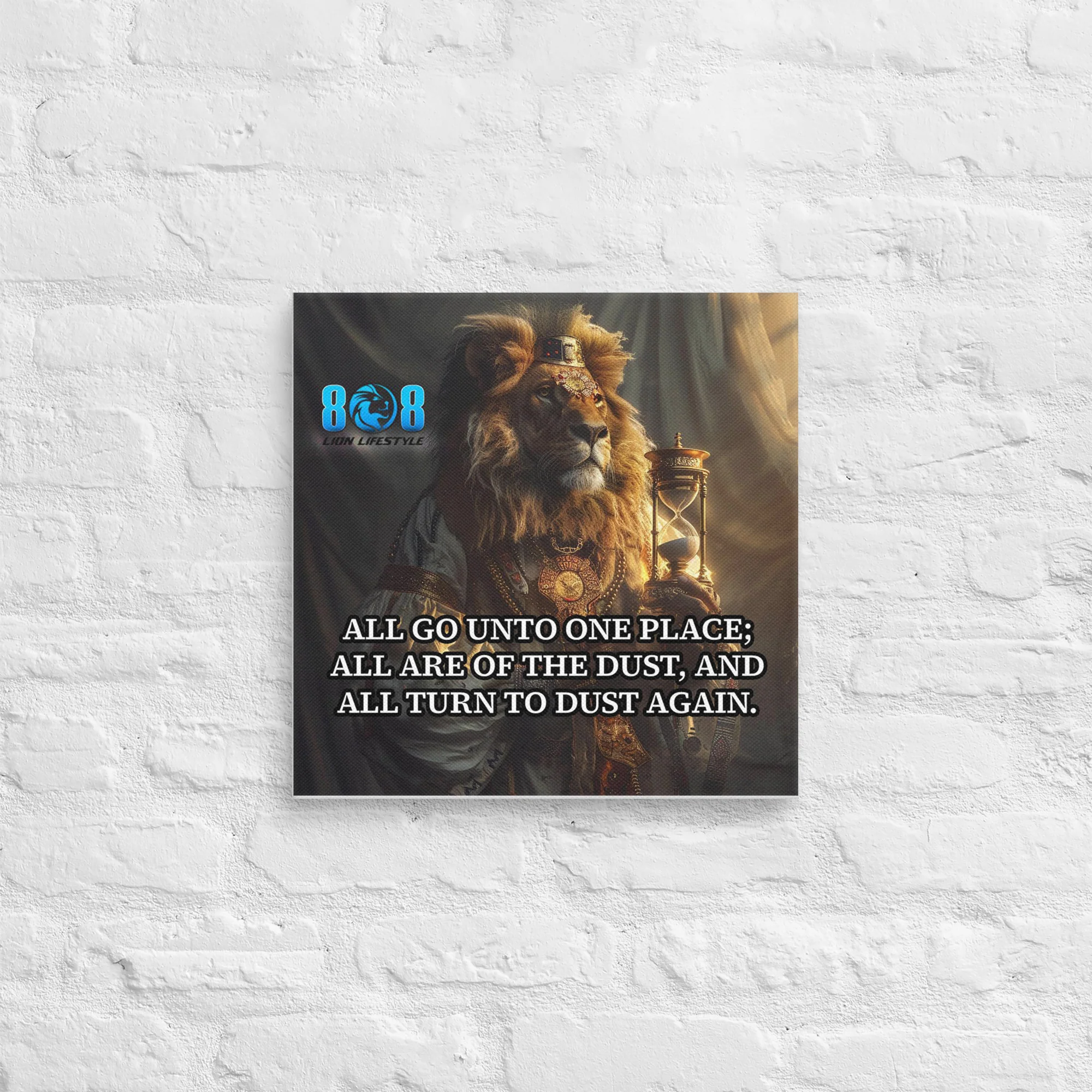
Dust to Dust Canvas
$55.55

Dust To Dust Car Magnet
$7.77

Dust To Dust Sticker
$6.95