How Do I Deal With Haters?
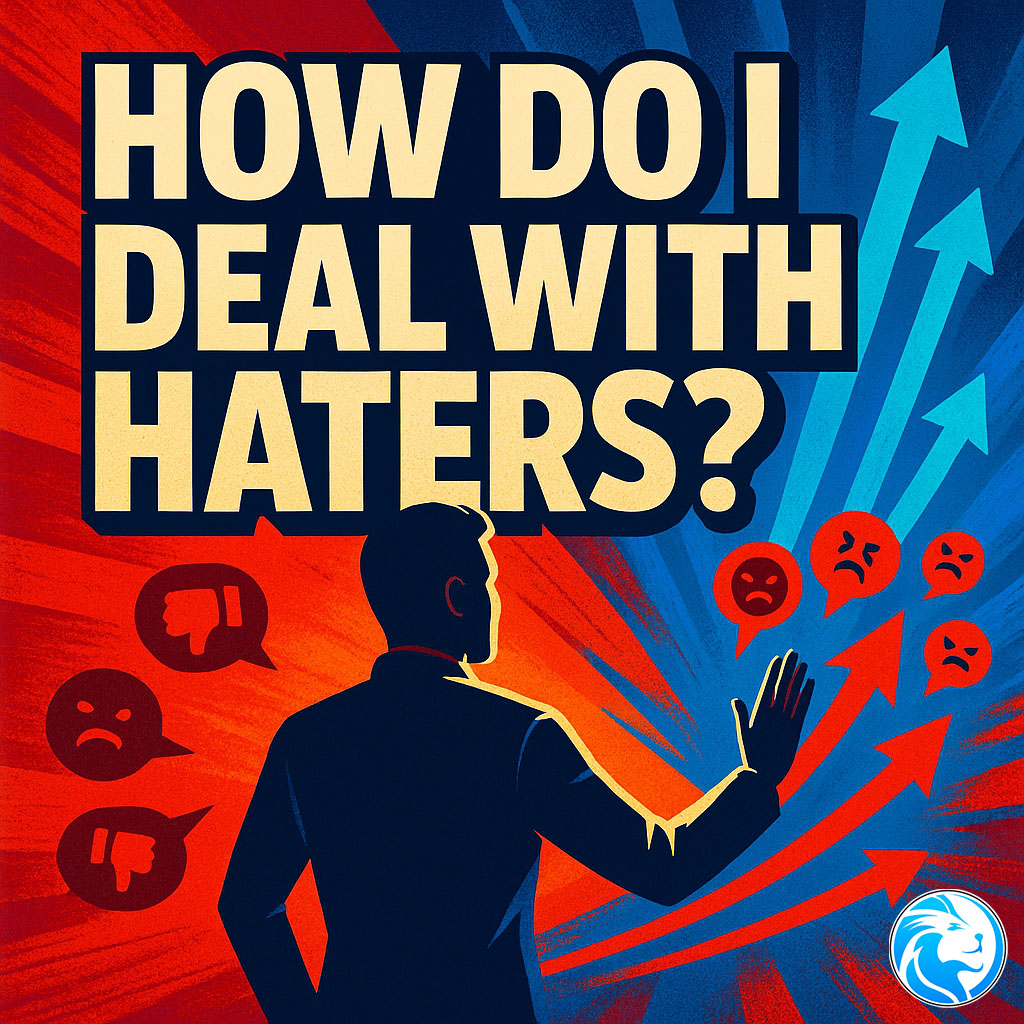
Ever asked, how do I deal with haters? In this featured article, explore topics of turning critics into supporters, negative feedback into opportunity, cultivate resilience and emotional intelligence, and handling negativity constructively. Enjoy.
Table of Contents
- Introduction
- Negative Feedback into Opportunity
- Cultivate Resilience and Emotional Intelligence
- Handling Negativity Constructively
- Turning Critics into Supporters
- Recommended Action
- Conclusion
- FAQ
- Support Us
- Author Bio & Social
Introduction
Have you ever experienced negativity directed toward your success or ideas? It can be discouraging, but it doesn’t have to stop you. In fact, you can strategically position haters to become your greatest promoters. Harnessing criticism positively allows you to turn potential setbacks into significant breakthroughs. This featured content will guide you through turning negative feedback into opportunity. You’ll discover practical, evidence-based strategies to leveraging detractors, enhance resilience, and foster emotional intelligence. The result? A powerful transformation from being hindered by haters to benefiting from their very actions.
Negative Feedback into Opportunity
Negativity naturally attracts attention. Whether on social media, at work, or in personal life, critics often inadvertently provide visibility. Research from Harvard Business Review indicates negative feedback online often draws more eyes than positive comments. Use this phenomenon strategically. Respond calmly, confidently, and professionally to criticism, making the interaction a showcase of your composure and professionalism. When done correctly, negative attention transforms into positive visibility, allowing a broader audience to discover your work and message.
Cultivate Resilience and Emotional Intelligence
Handling haters effectively requires resilience and emotional intelligence (EI). According to psychologist Daniel Goleman, EI is a key factor in personal and professional success, often surpassing traditional intelligence. Building resilience involves recognizing emotional triggers, managing reactions calmly, and viewing criticism objectively rather than personally. By developing these traits, you position yourself to effectively absorb negativity and reflect it positively, which ultimately strengthens your personal brand and influence.
Handling Negativity Constructively
While not all criticism is constructive, most critiques contain nuggets of truth. Studies published in Psychological Science show that successful people extract valuable insights from negative feedback. Instead of defensiveness, adopt a learner’s mindset. Ask yourself: “Is there truth in this critique? Can I improve based on this feedback?” Doing so demonstrates maturity and commitment to personal growth. It also encourages observers to respect and support your journey, effectively transforming negativity into credibility.
Turning Critics into Supporters
Leveraging detractors into advocates might sound challenging, but it’s entirely possible. According to customer behavior research by Bain & Company, addressing complaints directly and effectively can turn critics into loyal promoters. Engage sincerely and openly with your critics, thank them for their feedback, and demonstrate your commitment to continuous improvement. These genuine actions can shift their perspectives, turning critics into supporters. This positive shift not only neutralizes negativity but actively positions haters to motivators.
Recommended Action
Identify one recent criticism you’ve received. Reflect on the core message without defensiveness. Draft a thoughtful response that acknowledges the critique, outlines improvements, and expresses genuine gratitude for their perspective. Post your reply publicly (if applicable) or address it privately with authenticity and respect.
Conclusion
Positioning haters to promote you isn’t just about strategy—it’s about personal growth and emotional maturity. By embracing criticism, building emotional resilience, leveraging detractors, and turning critics into supporters, you turn negative feedback into opportunity. Remember, the next time you encounter a critic, view it as a chance to showcase your strength, integrity, and growth.
FAQ
Q1: Why should I respond to haters instead of ignoring them?
Responding professionally showcases your maturity, builds your emotional intelligence, and provides visibility that can elevate your personal brand.
Q2: Can all criticism truly be constructive?
While some criticism is purely malicious, most contain helpful insights. Even harsh critiques often have elements that, if addressed thoughtfully, lead to genuine improvements.
Q3: How do I manage my emotions when faced with harsh criticism?
Develop emotional intelligence through mindfulness, deep breathing, reflection, and maintaining a growth mindset, viewing criticism as an opportunity rather than a threat.
Q4: What’s the best strategy for converting critics into ambassadors?
Engage critics directly, listen authentically, thank them sincerely, and demonstrate visible action and improvement based on their feedback.
Q5: Is public or private response better for negative feedback?
Public responses demonstrate transparency and maturity to broader audiences, while private responses are more personal. Often, a combination of both yields the best results.
Support Us
Ready to transform criticism into your greatest asset? We developed the Wisdom Development Program called Lion Wisdom Daily to help you. To unlock, just click-here! We also invite you to invest in our Haters Promote You T-Shirt and support us by wearing & sharing this powerful lesson.
Author Bio & Social
Lion Mentor is dedicated to empowering individuals worldwide through wisdom and practical life lessons. Follow us on social: [Facebook] | [Instagram] | [X/Twitter] | [LinkedIn] | [TikTok]
Recommended Products

Haters Promote You T-Shirt
$19.99
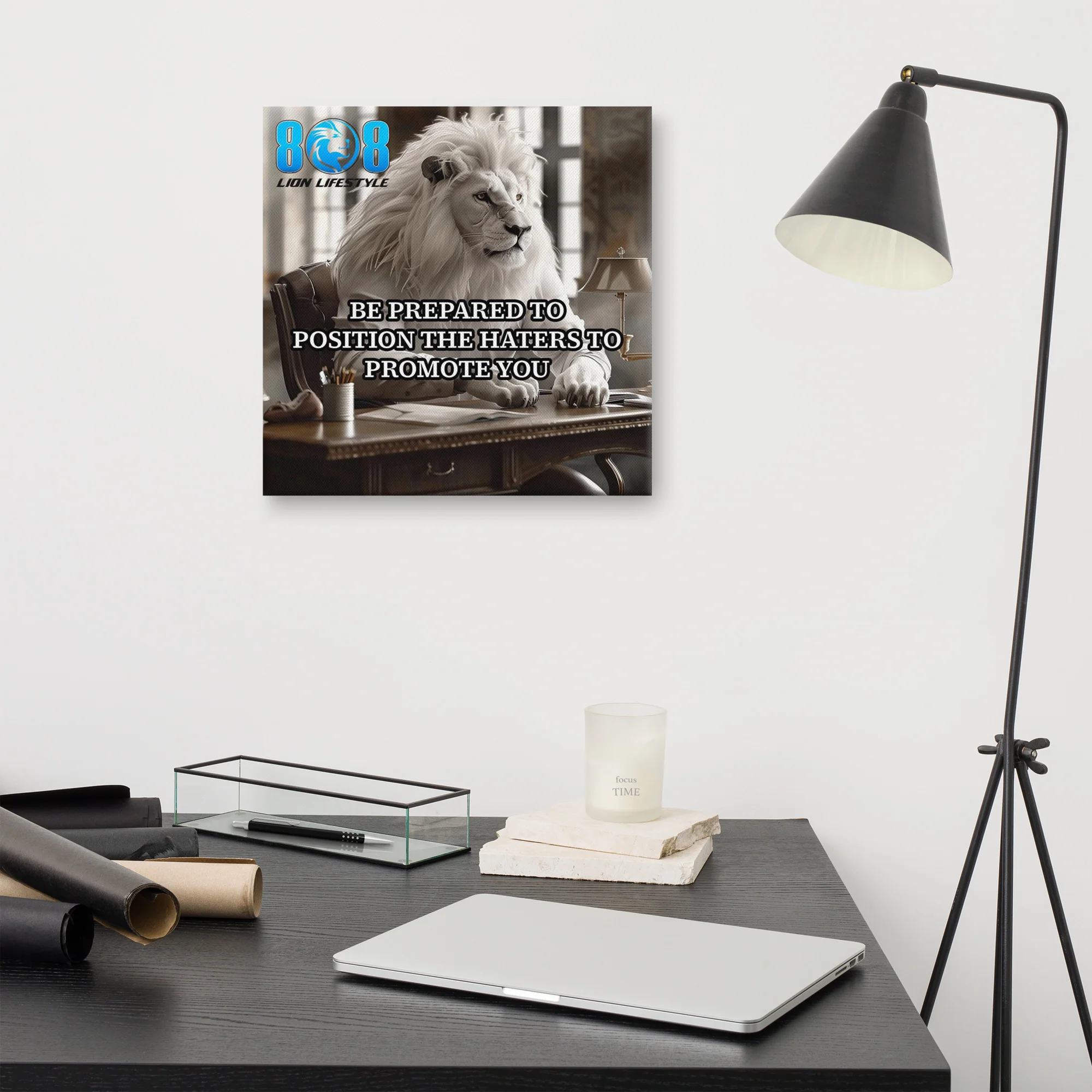
Haters Promote You Canvas
$55.55

Haters Promote You Car Magnet
$7.77

Haters Promote You Sticker
$6.95